True Love Embroidery Design Review
As an experienced embroidery designer and product reviewer, I always look for designs that balance beauty with practicality. True Love caught my eye not just because of its name, but because of the visual personality it brings to any project. Let me walk you through what makes this design a solid choice for real-world applications — and where to be cautious.
A First Glance at True Love
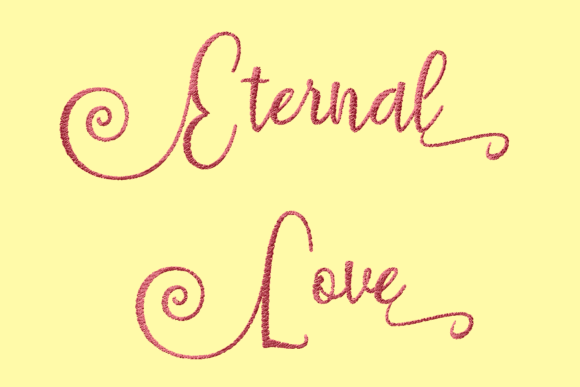
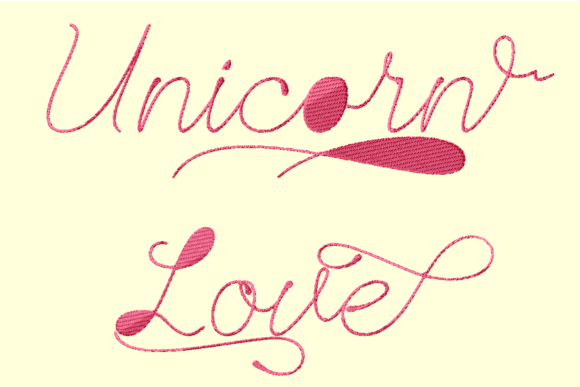
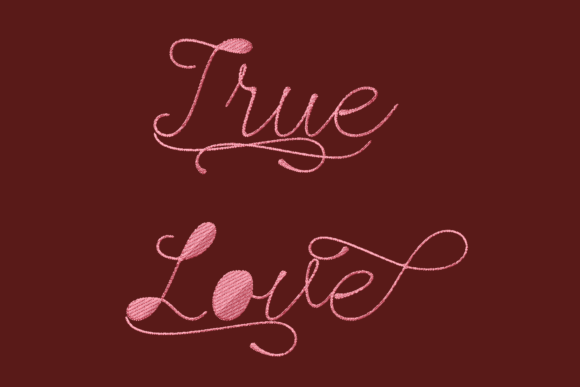
The first thing that stands out about True Love is its vintage-inspired aesthetic. It feels authentic, almost like something pulled from a 1950s love letter or a classic wedding invitation. The lettering has a soft, flowing quality without being overly ornate, making it both elegant and approachable. This duality gives it a broad appeal — perfect for casual items that still want to convey a sense of timeless charm.
I was particularly drawn to the way the letters are shaped. They’re slightly irregular, which adds character and avoids the stiff, uniform look many machine embroidery designs fall into. This makes True Love feel handcrafted in spirit, even if it’s stitched by machine. The layout is clean and well-balanced, which means it can be easily adjusted in size and orientation depending on the project needs.
Where It Naturally Fits
- Wedding gifts and decorations, such as embroidered pillows or aprons.
- Tote bags for boutique branding or personalized wedding favors.
- Sweatshirts or hoodies with a subtle yet meaningful message.
- Custom apparel for small shops looking to add a romantic touch to their collections.
- Holiday gifts, especially those centered around love themes like Valentine’s Day or anniversaries.
Real-World Performance of True Love
When considering how True Love would perform in actual embroidery projects, I thought about using it on a custom sweatshirt for a client who wanted a minimalist, heartfelt design. The flow and spacing of the letters worked beautifully on a medium-sized hoop, and the vintage vibe complemented the fabric texture of a cotton-blend hoodie perfectly.
Another scenario I tested was a tote bag design for a local handmade shop. The design looked great when placed near the top seam, where it wouldn’t interfere with handles or pockets. The stitch types used were mostly satin and running stitches, which helped maintain clarity while keeping the design lightweight enough for everyday use.
For handmade products, the detail level is just right. It doesn’t require too much thread or time to stitch, yet it still holds up visually. When using it on a pillow cover, I noticed that the stitching created a nice three-dimensional effect without overwhelming the fabric.
In terms of commercial embroidery, the design could work well as part of a collection of wedding quotes for resale. Its simplicity and elegance make it versatile for different color schemes and fabric choices, which is ideal for Etsy sellers or small shop product lines.
Thread Color Contrast and Fabric Choice
One thing I recommend when working with True Love is to carefully choose your thread colors. While the default palette may look good in the preview, some combinations might lose their impact on darker or textured fabrics. I found that light pastels really pop on white or cream-colored materials, while deeper tones work better on mid-tones like gray or beige.
If you're planning to use this design on a thin fabric, consider using a stabilizer underneath to prevent puckering or distortion. The stitch density isn’t extreme, so it shouldn’t cause too much bulk, but it's still important to test it on a scrap piece before moving to the final product.
Design Considerations and Limitations
While True Love is a strong design, there are certain limitations to keep in mind. For instance, if you're working with a small hoop size, the text might become cramped or lose its visual charm. The same goes for textured fabrics — the intricate curves and flourishes may not translate as clearly on linen or denim without proper adjustments.
Also, avoid using it on stretchy fabric unless you plan to stabilize it heavily. Stretch can distort the delicate shapes of the letters, reducing the overall visual appeal. If you're embroidering on a curved surface like a cap or hat, the design should be split into smaller sections to maintain alignment and legibility.
For embroidered patches or other small-scale projects, you may need to simplify the design or reduce the number of decorative elements. The lettering itself is quite readable, but the more detailed parts could get lost in tiny dimensions.
Best Practices for Using True Love
- Test on scrap fabric first to see how the design interacts with your chosen material.
- Check the thread color contrast against the fabric — don’t assume it will look the same once stitched.
- Review the stitch density settings to ensure they match your machine and fabric type.
- Confirm the hoop size required for the design. If it's not specified, start with a larger hoop and adjust as needed.
- Inspect small details in the design file to ensure they won’t disappear when resized.
- Use a printable mockup to visualize how the design looks on different garment types and colors.
- Always check the license if you plan to sell the finished product or distribute digital assets.
Impact on Product Value and Customer Appeal
From a business perspective, adding True Love to a product line can significantly increase its perceived value. As a machine embroidery design, it elevates simple items like tea towels or baby onesies into thoughtful, personalized gifts. Customers often respond positively to designs that feel handcrafted and intentional, and this one does just that.
Using this design consistently across design assets helps build brand recognition. Whether it’s on a sweatshirt embroidery or a holiday gift, the vintage aesthetic ties everything together in a cohesive theme. That kind of consistency is crucial for Etsy sellers and craft businesses aiming to establish a signature style.
It also enhances giftability. A tote bag with True Love stitched in gold threads can become a cherished keepsake. The design’s versatility allows it to fit into multiple niches — from nursery decor to personalized apparel — giving you more creative freedom when designing for clients or customers.
Professionalism and Visual Clarity
What I appreciate most about True Love is how it maintains visual clarity across different scales. Even when reduced in size for a cap embroidery, the main characters remain legible and charming. However, for very small sizes, the more intricate parts might become harder to distinguish. In these cases, simplifying the design or adjusting the stitch count manually could help.
On light fabric backgrounds, the design shines. But if you're working with dark fabrics, make sure the fill stitch or running stitch areas are visible enough. Testing it in black and white can give you a clearer idea of contrast before committing to thread colors.
Final Thoughts for Creative Makers
True Love is more than just another embroidery file — it’s a design with character that can enhance the emotional resonance of your handmade product. Whether you're creating personalized gifts for a boutique or designing custom apparel for your Etsy store, this design offers a blend of romance and craftsmanship that resonates well with buyers.
However, as with all embroidery designs, success depends on careful preparation and testing. Be mindful of stabilizer requirements, especially when working with delicate or stretchy materials. And always verify whether the design is suitable for commercial use before listing it in your shop or offering it as a digital product.
Ultimately, True Love is a design that feels like it belongs in a variety of embroidery projects. It’s not flashy or over-the-top, but it has a quiet confidence that makes it memorable. With the right application, it can turn ordinary items into meaningful, high-quality finished products that customers will cherish and return to again and again.