Embroidery Flowers Design Review: A Graceful Botanical Addition
First Impressions of Embroidery Flowers Design
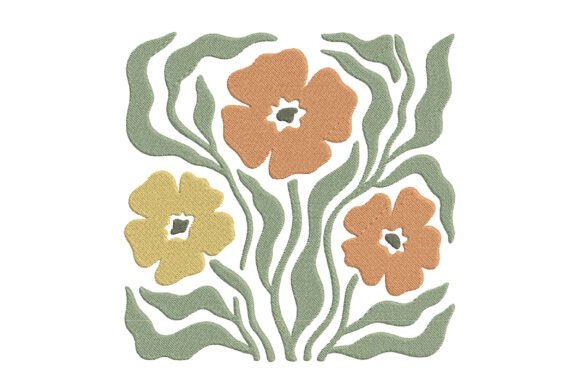
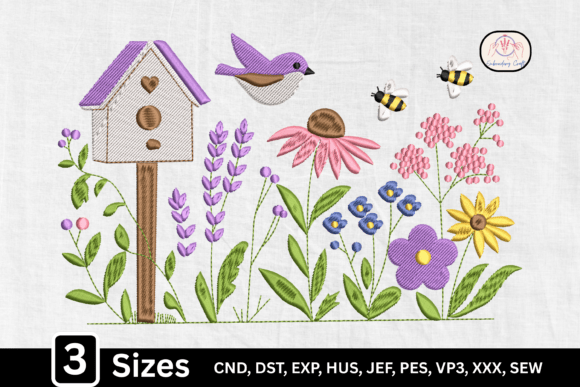
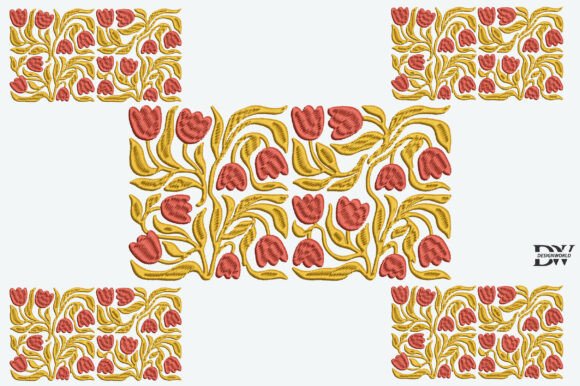
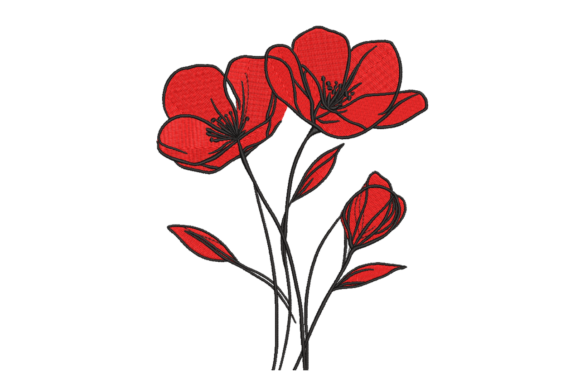
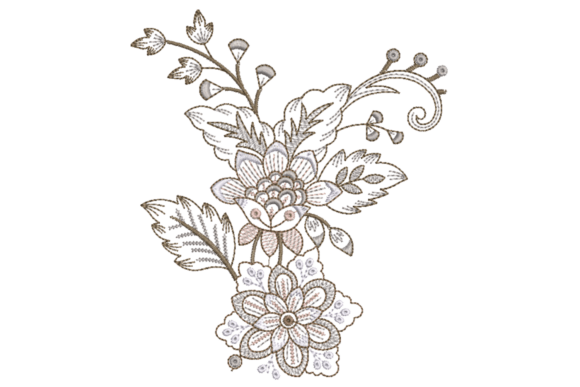
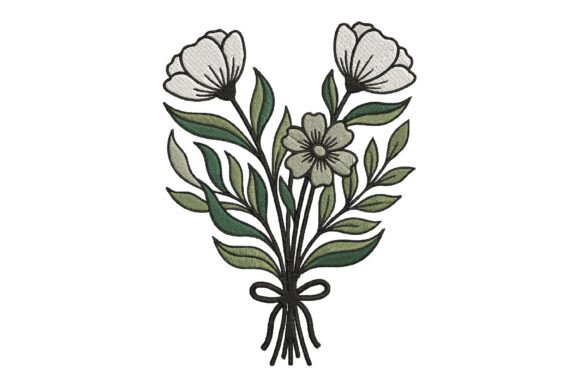
When I first encountered the Embroidery Flowers Design, it immediately caught my eye with its soft, organic feel. As an embroidery designer who frequently works on both personal and commercial projects, I appreciate designs that blend elegance with versatility. This floral bouquet design brings a sense of handmade charm to any canvas—whether fabric or digital. The visual mood is serene and romantic, which makes it especially fitting for Wedding Flowers themes or other celebratory items. The layered greenery adds depth without overwhelming the composition, while the blooming flowers seem delicately arranged as if freshly picked. It feels like a real bouquet you might see in a wedding bouquet or a botanical illustration, making it perfect for those who want their embroidered pieces to stand out with botanical beauty.Practical Use Across Embroidery Projects
Custom Apparel: On a sweatshirt, the embroidery file added a lovely accent to the chest area. The stitch density was balanced enough not to pucker, even on thicker cotton blends. I found that using a light stabilizer helped maintain the shape and clarity of the design.
Tote Bag Design: The Floral Bouquet Embroidery Design looked stunning when stitched along the top handle or centered on a linen tote. Its size and detail level make it ideal for larger hooping areas, but it can be resized effectively without losing its integrity. For smaller tote bags, scaling down slightly improved proportionality.
Baby Items & Nursery Decor: When applied to a baby blanket or pillow cover, the design’s gentle colors and flowing lines created a soothing effect. I recommend pairing it with pastel thread shades to enhance its softness and align with typical nursery aesthetics.
Caps & Patches: While the full design may require more space than standard caps allow, isolating one or two elements (like a single bloom or a small cluster) made for a charming embroidered patch. It also works well as an applique design on denim or felt patches for added texture.
Kitchen Towels & Aprons: These are high-use items where durability matters. I noticed that the design’s stitch count and coverage were just right—not too dense to cause stiffness, yet substantial enough to withstand frequent washing. Using a tear-away stabilizer underneath worked best for woven cotton towels.
Design Performance on Different Fabrics
- Textured Fabric: The design adapted well to medium-weight canvas and twill, though some adjustment in stitch density was necessary to avoid gaps in the fill areas.
- Stretchy Fabric: When placed on a stretchy t-shirt knit, I used a cut-away stabilizer to prevent distortion. The running stitch details held up nicely, while satin stitches remained smooth.
- Dark Fabric: Thread color contrast became crucial here. I selected lighter hues like ivory and pale pink to ensure visibility. The design still maintained its delicate look, albeit with a more subtle presence.
- Curved Surfaces: On curved cap surfaces, I had to adjust the positioning and use a curved hoop to preserve the design’s symmetry and flow.
Impact on Product Value and Branding
One of the biggest advantages of using the Embroidery Flowers Design is its ability to elevate the perceived value of a product. Whether it’s a custom apparel piece or a personalized gift, this design adds a touch of sophistication that customers notice and appreciate. For Etsy sellers and boutique owners, incorporating this design into your lineup can help build buyer trust. The quality of the digital embroidery file suggests professional-grade work, even if you’re creating handmade products. It also contributes to brand consistency when used across multiple items—think pillow covers paired with matching aprons or kitchen towels.Photography and Customer Engagement
The Embroidery Flowers Design is highly photogenic. Whether lighting plays tricks or not, the layers and curves of the design lend themselves well to both natural and studio photography. I've included it in printable mockups for online listings, and it consistently drew more clicks and inquiries than simpler motifs.Key Tips for Using Embroidery Flowers Design
- Test on Scrap Fabric: Before stitching on a final product, always test the design on a similar material to assess how it reacts to your machine and thread choices.
- Check Thread Color Contrast: Especially important for dark fabrics. Choose thread colors that will pop and remain visible after laundering.
- Review Stitch Density: If you're working with thin or delicate fabric, reduce the stitch density slightly to avoid puckering or breaking the weave.
- Confirm Hoop Size: Make sure the hoop you plan to use is large enough to accommodate the entire design or the section you’re using. Some parts may require more room than expected.
- Compare Light and Dark Mockups: Use Creative Fabrica’s preview tools to visualize how the design will appear on different background colors before committing to production.
- Use Proper Stabilizer: Depending on the fabric type, choose between tear-away, wash-away, or cut-away stabilizers to keep the design crisp and clean.
- Inspect Small Details After Stitching: Zoom in on the finished embroidery to check for missed spots or uneven tension, especially in intricate areas like flower centers or leaf edges.
- Confirm File Details and Licensing: Always review the Creative Fabrica product page for specifics on file formats, compatibility, and licensing terms before selling any finished products.