★★★★☆4.3(391 reviews)
Tahoma Fonts Embroidery Design: A Professional Choice for Branding
First Impressions of Tahoma Fonts Embroidery Design
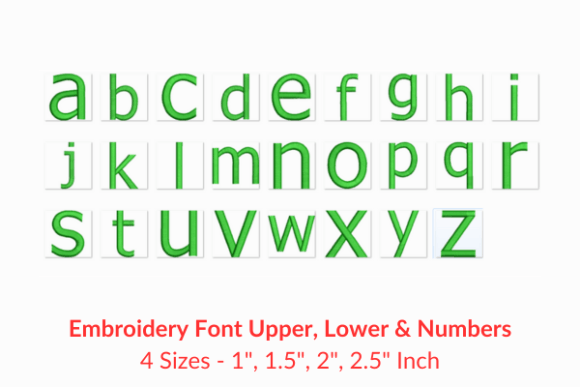
As an experienced embroidery designer, I always start with a close look at how a machine embroidery design feels on the eye and in context. The Tahoma Fonts Embroidery Design immediately stands out as a clean, modern, and professional option. It doesn’t scream bold or demand attention like some decorative fonts do; instead, it offers a subtle yet impactful presence that works well across various branding applications.Real-World Business Applications
When evaluating Tahoma Fonts Embroidery Design for commercial use, I considered several key areas where businesses often incorporate embroidery into their branding strategy.- Embroidered Patches: This font performs exceptionally well for creating custom patches. Whether you’re making a label for your handmade products or a branded patch for event giveaways, Tahoma maintains clarity even in smaller sizes. Its uniform stroke width makes it ideal for consistent stitching.
- Staff Uniforms: Many local businesses, such as cafés and boutiques, opt for embroidered chest logos on uniforms. Tahoma is a great fit here due to its readability from a distance and its neutral aesthetic, which complements both casual and dressier attire.
- Apron Embroidery: Handmade shops and bakeries love adding embroidered details to aprons. With Tahoma, names and slogans remain crisp and easy to read, which helps reinforce brand recognition among customers.
- Cap Embroidery: When placed on cap fronts or side panels, the font’s straightforward structure ensures it won’t get lost in motion or become distorted by the curve of the cap. However, it's important to test placement carefully for curved surfaces.
- Tote Bag Design: As a go-to font for tote bags and reusable shopping bags, Tahoma brings a polished look without being too flashy. It fits well alongside other design elements and keeps the focus on the brand message rather than the typography itself.
- Product Packaging Accents: For businesses looking to add a touch of embroidery to packaging tags or gift labels, Tahoma provides a refined appearance that aligns with premium branding strategies.
Cautions for Use
Despite its strengths, there are certain situations where extra care should be taken when using Tahoma Fonts Embroidery Design:- Small Patch Sizes: While Tahoma reads well at larger sizes, scaling it down for tiny embroidered patches may compromise legibility. Always check if the font remains clear at the intended size before finalizing production.
- Curved Surfaces: Although it adapts reasonably well to caps and similar items, it’s best to create a printable mockup to visualize how it’ll look on curved surfaces. Adjusting spacing or letter height might be necessary.
- Stitch Density & Thread Colors: Because the font lacks intricate flourishes, it allows for lower stitch density, reducing thread consumption and minimizing fabric puckering. Still, thread color contrast is essential—especially on dark uniforms or textured fabrics. A white background behind the text could enhance visibility.
- Frequent Washing: For items like work shirts or aprons that undergo repeated laundering, ensure proper stabilizer use and secure backtacking techniques to maintain durability over time.
Design Notes for Optimal Results
- Test in Black and White First: Before choosing colors, preview the font in grayscale to assess its shape and balance. This helps avoid issues with overly thin strokes or inconsistent spacing.
- Check Small Patch Size Performance: Print or digitize a sample patch at the smallest intended size to evaluate whether the font still looks sharp and professional.
- Review Thread Color Contrast: Ensure the chosen thread colors stand out against the fabric base. If using light thread on a light fabric, consider alternative hues or adding a colored backing.
- Inspect Spacing Between Characters: Even slight inconsistencies in character spacing can affect the overall look of the embroidery file. Adjust manually if needed for better alignment.
- Confirm Hoop Size Requirements: Depending on the length of the text, the required hoop size may vary. Make sure your equipment can accommodate the full design without stretching or distortion.
- Test on Real Fabric: Always run a trial stitch on the actual fabric you plan to use. This helps identify potential issues with stabilizer needs or fabric texture compatibility.
- Create a Mockup for Client Approval: Use a printable mockup to show clients how the font will appear on the finished product. This builds confidence and reduces last-minute changes.
- Compare Beside Other Design Elements: If combining Tahoma with graphics or other fonts, make sure it harmonizes visually and doesn’t clash with existing brand identity components.
- Verify Commercial Licensing: Since this is a digital embroidery file, always confirm the licensing terms allow for commercial embroidery use. Avoid legal pitfalls by understanding what you're permitted to do with the design.
Impact on Brand Identity and Customer Engagement
Incorporating this font into small business merch and branded items creates a sense of consistency across all touchpoints—from staff uniforms to product labels. Customers associate this visual coherence with quality and intentionality, which can boost buyer engagement and encourage repeat visits or purchases. For handmade brands and Etsy sellers, the font adds a layer of refinement that elevates the perceived value of the handmade product. Unlike overly ornate styles that can distract, Tahoma enhances the product without overpowering it. This subtlety is powerful in today’s market, where authenticity and minimalism are highly valued.Why Tahoma Works for Workwear and Merchandise
The Work category in embroidery typically requires fonts that are both functional and stylish. Tahoma achieves this by maintaining a professional edge while remaining approachable. It’s not just suitable for writing names or dates—it can also be used creatively for quotes, mottos, or taglines. When used in Embroidery projects like chest logo accents or sleeve details, Tahoma reinforces a brand’s message with precision and clarity. Its versatility also allows it to be integrated into multiple product types without feeling repetitive or outdated.Final Thoughts for Embroidery Designers and Merch Creators
After thoroughly testing and reviewing Tahoma Fonts Embroidery Design, I believe it’s a solid choice for any embroiderer involved in branded merchandise or custom apparel creation. It’s particularly well-suited for businesses seeking a clean, professional look that won’t overwhelm but will consistently communicate their brand values. However, as with any machine embroidery design, success depends on thoughtful application. Be sure to follow the guidelines above to ensure the best results. Whether you're working on a sleeve detail for a boutique or a cap design for a local café, Tahoma has the potential to elevate your finished product and strengthen your client’s brand presence. For those who prioritize visual consistency and want to maintain a high level of professionalism in their Embroidery output, this font is worth considering. Just remember to always test, adjust, and verify licensing terms before moving forward with large-scale production.
⬇️ Download Free
Free download · No sign-up required
🔗 You Might Also Like
Work
Real-World Applications for Small Businesses In the realm of embroidered patch w...
Work
First Impressions: A Playful Yet Premium Stitch Style As an experienced embroide...

Anniversary
As an experienced embroidery designer, I’m always on the lookout for versatile, ...
Embroidery Fonts
As an experienced embroidery designer, I'm always on the lookout for fonts that ...
Embroidery Fonts
As an experienced embroidery designer with a focus on seasonal and holiday produ...
