Rochester Embroidery Font - Small Review
As an experienced embroidery designer who frequently works with both handmade and commercial projects, I always look for fonts that bring character to the stitch without complicating the process. The Rochester Embroidery Font - Small caught my eye for its vintage aesthetic and flowing script. Here's how it performed in real-world use and whether it’s worth considering for your next project.
First Impressions: Timeless Elegance with a Stitched Feel
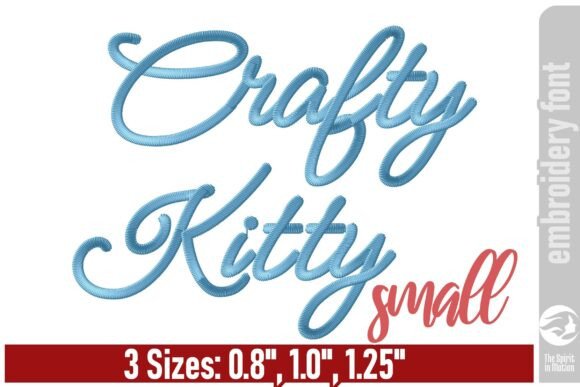
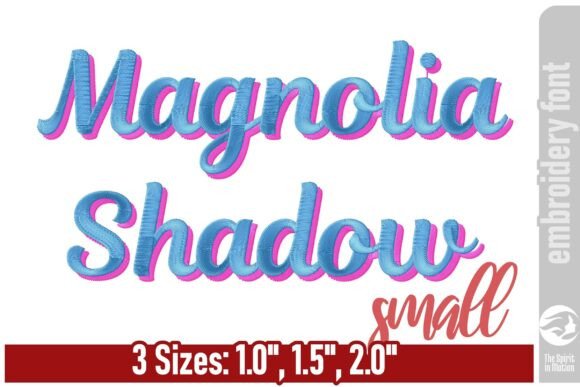
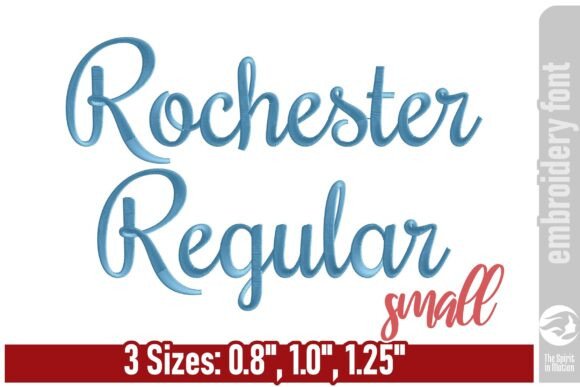
The moment I opened the digital embroidery file, I could tell this font was crafted with intention. Rochester Embroidery Font - Small has a soft, cursive appearance that evokes a sense of nostalgia—perfect for adding a classic touch to modern designs. Its connected letters give it a decorative flair while maintaining readability, especially when used in smaller formats like monograms or name tags.
I appreciated the attention to detail in the curves and loops. It doesn’t feel overly ornate, which is a relief compared to some other embroidery fonts I’ve tried that lose their charm once stitched on fabric. This one retains its personality even at reduced sizes, making it ideal for personalization where space is limited.
Real-World Performance Across Projects
I tested the Rochester Embroidery Font - Small on a variety of substrates and applications to see how well it adapts. Below are some insights from each:
- Tote Bag Design: Stiched beautifully on cotton canvas using a satin stitch. The flow of the letters made them stand out as a focal point without overwhelming the rest of the design.
- Sweatshirt Embroidery: When placed on the front chest area, the font added a subtle luxury. It worked best when paired with minimalistic graphics to balance the visual weight.
- Baby Items: On a muslin baby blanket, the small size was perfect for initials or short phrases. The vintage vibe gave the item a personalized, heirloom-quality feel.
- Cap and Patch Work: The compact nature of the font shines here. It fits neatly into curved cap surfaces and complements embroidered patches with a handcrafted appeal.
- Apron and Pillow Covers: These items benefited from the elegant script being used in corner monograms. The font didn’t get lost in the larger scale of these products but still felt intentional and refined.
- Kitchen Towels: I used the font on linen towels with fill stitches around the text for a more decorative effect. The result was charming and suitable for holiday-themed gifts or boutique stock.
Considerations for Fabric Type and Texture
One thing I noticed early on is that the stitch density of this font is moderate, which means it handles different fabric types fairly well. However, results can vary depending on the material you're working with:
- Textured Fabrics: The graceful curves of the Rochester font work well on denim or twill but may require extra stabilizer to maintain clarity on rougher weaves.
- Stretchy Fabrics: For stretchy materials like knits, I recommend using a running stitch or adjusting the stitch direction slightly to prevent distortion after washing.
- Dark Fabrics: Thread color contrast is key here. Light thread (white or cream) really brings out the vintage look, but it’s important to test for visibility before finalizing a handmade product.
- Curved Surfaces: Caps or curved applique areas benefit from the small footprint of this font. Just be sure to adjust the placement and possibly reduce the stitch length slightly for better adherence.
Small Hoop Sizes and Tiny Lettering
For designers working with small hoop sizes, this font is a dream. Its compact form allows for names or short phrases in hooping areas as tight as 4x4 inches. I used it for custom keychains and embroidered magnets, and the details remained crisp and legible.
However, if you’re planning to do tiny lettering—like under 1 inch per letter—you’ll need to ensure your machine is set up for precision stitching. I suggest testing on scrap fabric first and using a light-weight tear-away stabilizer to avoid bulk.
Commercial Use and Brand Consistency
When evaluating the Rochester Embroidery Font - Small for commercial embroidery, I considered how it would perform across multiple orders and product lines. Its consistent stroke width and style make it easy to scale and reuse in various contexts, from seasonal handmade gifts to commercial embroidery for boutique merchandise.
Using this font in printable mockups also enhanced the perceived value of finished products. Clients responded positively to the vintage-inspired aesthetic, especially when presented alongside other design assets like floral borders or minimalist logos.
Enhancing Product Value and Giftability
There’s something about a vintage-style script that makes embroidered items feel more thoughtful and bespoke. Whether it’s a personalized sweatshirt for a client or a custom apron for a wedding gift, the Rochester font elevates the overall presentation. It adds a level of sophistication that justifies higher price points, particularly for Etsy sellers or those offering premium personalized gifts.
Buyers often associate hand-stitched or vintage-style fonts with quality craftsmanship. Even though this is a machine embroidery design, the outcome feels artisanal, which can boost buyer trust and increase customer engagement through social media and repeat sales.
Photography and Visual Appeal
From a photography standpoint, the Rochester font stands out beautifully. The smooth, flowing lines catch light differently than blockier typefaces, creating a soft shimmer that looks great in both natural and studio lighting. This is a big plus for creators who rely on high-quality images for online shops or craft fair displays.
Its timeless charm also translates well to holiday and seasonal themes. Think Christmas stockings, New Year’s patches, or Easter pillow covers. The font’s versatility gives it year-round potential for creative entrepreneurs looking to keep their offerings fresh yet familiar.
Practical Tips for Using Rochester Embroidery Font - Small
Here are a few notes based on my experience using this font in production settings:
- Test on Scrap Fabric: Always stitch a sample before moving to the final product. Especially when using delicate threads or intricate patterns, a trial run helps avoid costly mistakes.
- Check Thread Color Contrast: Dark thread on dark fabric won’t cut it. Opt for lighter tones to highlight the elegance of the script.
- Review Stitch Density: Adjust stitch density if you're layering it with other elements like fill or running stitches. Too dense and the fabric might pucker; too sparse and it might look unfinished.
- Confirm Hoop Size: While the font is designed for small spaces, double-check the recommended hoop size in the Creative Fabrica product details to ensure compatibility with your machine.
- Use Proper Stabilizer: A mid-weight stabilizer is generally sufficient, but for stretchy or thin fabrics, opt for a stronger backing.
- Inspect Small Details After Stitching : Because the font is small, fine details like serifs or connecting strokes can easily get lost. Inspect closely under good lighting after completing the piece.
- Confirm File Details and Licensing: Before selling any finished items, review the licensing information on the Creative Fabrica product page to ensure compliance with commercial use terms.
Final Thoughts for Embroidery Designers
After several weeks of integrating the Rochester Embroidery Font - Small into my workflow, I’m confident it’s a valuable addition to any embroidery designer’s library. It strikes the right balance between beauty and functionality, making it suitable for everything from simple monograms to layered applique designs.
If you're an Etsy seller, handmade shop owner, or apparel decorator aiming to elevate your custom apparel with a touch of vintage charm, this font is definitely worth considering. Just remember to test thoroughly and adapt your settings to the fabric and thread you're using.
In conclusion, Rochester Embroidery Font - Small isn't just another embroidery font. It’s a carefully curated tool that adds personality and professionalism to your work—whether it's a one-off gift or part of a commercial collection.