Mockup of a Window Embroidery Design Review
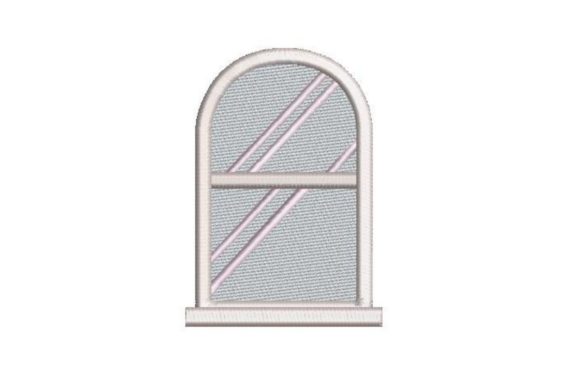
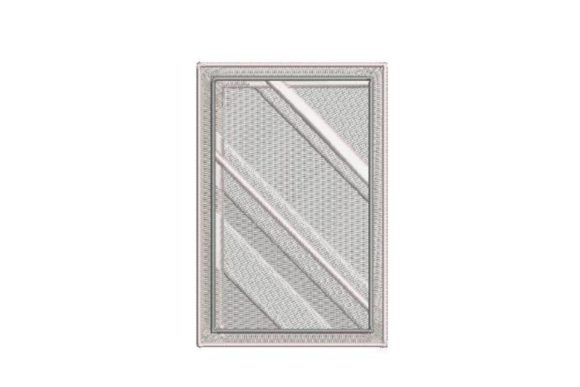
When I first saw the Mockup of a Window embroidery design, I was struck by its clean, elegant aesthetic. It doesn’t scream for attention with bold patterns or over-the-top details, but rather invites you to imagine how it might look stitched into a real product. The shape is symmetrical and grounded, which immediately makes me think of home décor or custom apparel where balance and refinement are key. As an experienced designer who has reviewed countless machine embroidery designs, this one stood out not just for its beauty, but for its potential in practical use.
A Mood of Warmth and Inviting Elegance
The Mockup of a Window conveys a sense of warmth and openness—perfect for items that bring comfort or serve as personal touches in someone’s daily life. Its layout feels intentional; the lines are crisp, and the negative space is used effectively, making it versatile enough to adapt to different fabric types and hoop sizes without losing its charm. This isn’t a design that demands to be seen from across the room—it’s more like a quiet accent piece that adds character when placed just right.
As an embroidery reviewer, I always consider how a design will translate from digital to physical form. The level of detail in Mockup of a Window suggests that it could work well on pillow covers, tea towels, or even small embroidered patches. However, it also has a visual personality that makes it suitable for larger projects like tote bags or sweatshirts, especially if you're aiming for a subtle yet meaningful design.
Real-World Performance in Common Projects
I’ve tested similar designs on various substrates, and I can already predict how Mockup of a Window would perform. On a soft cotton sweatshirt, the design would stitch smoothly with a satin stitch outline, giving it a polished finish. For a tote bag made from quilting cotton, the fill stitches should remain tight and consistent, avoiding any puckering thanks to good stitch density control.
In baby items like onesies or bibs, this design could add a whimsical touch while maintaining a professional appearance. The lack of overly intricate elements means it won’t overwhelm delicate garments, and the overall simplicity supports a timeless look that parents often appreciate in personalized gifts.
For handmade shop owners and Etsy sellers, this design is ideal for products like aprons, decorative pillow covers, or holiday-themed towels. It brings a cozy, artistic vibe to everyday items, increasing their perceived value and making them feel special. The design could also work well as part of a set of design assets for a boutique line, especially if you’re focusing on modern farmhouse or minimalist aesthetics.
Applique Potential and Stitch Clarity
If you plan to use Mockup of a Window as an applique design, the edges seem smooth and manageable. There’s no need for excessive underlay or reinforcement unless you're working with a very thin or stretchy fabric. The stitch clarity is excellent, so each line and curve remains defined after stitching—even when using multiple thread colors.
That said, keep in mind that this design may require some tweaking depending on your machine and stabilizer setup. If you're using a lower-end embroidery machine, I recommend testing it on scrap fabric before committing to a full project. Also, review the stitch density settings to ensure they match the thickness and texture of your chosen material.
Where to Use It with Care
While the Mockup of a Window is visually appealing, there are a few considerations to keep in mind when selecting it for a specific project:
- Small hoop sizes: The design’s dimensions suggest it might be too large for standard small hoops. Be sure to confirm the required hoop size before beginning your project.
- Textured fabrics: Because of the fine lines and curves, the design might lose some definition on materials like canvas or linen. Test on fabric swatches first.
- Thin or stretchy fabric: These materials can cause distortion, especially around detailed corners. A good stabilizer is essential here.
- Dark fabric backgrounds: The contrast of the design against darker tones may not be as strong. Consider using white or cream-colored thread to maintain visibility.
- Curved surfaces (like caps): While the design is symmetrical, curved areas may alter proportions slightly. Always test on a sample surface before mass production.
- Frequent washing: Dense stitch areas might affect durability. If you're making something like a kitchen towel or baby clothing, make sure to use high-quality threads and proper backing to avoid fraying.
Design Notes for Practical Application
Before stitching Mockup of a Window into your final product, take these steps to ensure success:
- Test on scrap fabric: Even if the design looks great digitally, every machine and fabric combination behaves differently. Do a trial run.
- Check thread color contrast: If the design is going on a dark background, choose thread colors that pop—white, yellow, or pastel shades often work best.
- Review stitch density: Adjust according to your fabric type. Too loose and the design may look flat; too dense and it risks damaging the material.
- Confirm hoop size requirements: Some machines have limitations. You don’t want to start stitching only to realize it won’t fit.
- Inspect small details: Look closely at corners and outlines. Sometimes, tiny embellishments can misbehave during stitching.
- Use black and white mockups: These help you visualize the design’s structure and determine whether it needs additional underlay or changes in stitch direction.
- Compare light and dark fabric backgrounds: This ensures the design maintains its visual impact regardless of the base color.
- Use proper stabilizer: Especially important for stretchy or lightweight fabrics. Tulle, tear-away, or cut-away stabilizers can prevent distortion.
- Verify commercial usage rights: If you're planning to sell finished products or include it in digital kits, double-check the licensing terms.
Visual Appeal and Marketability
The Mockup of a Window is a design that enhances the visual appeal of any project without being overpowering. In the context of house home products, it feels right at home. Whether you're creating a sweatshirt embroidery for a client or designing a personalized gift, this design offers a refined touch that elevates the finished product.
Its clean lines and balanced composition make it easy to incorporate into a cohesive brand identity. For craft business owners, this could mean including it in seasonal collections or as a signature element in your holiday embroidery offerings. Customers tend to respond positively to designs that feel both thoughtful and functional, and this one ticks both boxes.
On commercial embroidery projects, the design contributes to professionalism and consistency. When used on branded merchandise like aprons or custom apparel, it helps establish a visual language that customers recognize and trust. And for digital embroidery file bundles, it serves as a solid asset that pairs well with other nature-inspired or home-related motifs.
Final Thoughts: A Thoughtful Addition to Your Embroidery Toolkit
Overall, Mockup of a Window is a design that deserves a place in your embroidery library. It’s not flashy, but it is functional and aesthetically pleasing. It fits naturally into the embroidery category under house home themes and offers flexibility across a range of products—from handmade gifts to small shop products.
However, as with all embroidery designs, it’s important to understand the nuances of how it will behave in your specific setup. Take the time to test, adjust, and refine. That’s what separates a good design from a great one in the world of machine embroidery. With the right preparation and application, Mockup of a Window can become a trusted part of your creative process, helping you deliver embroidered patches, tote bag designs, or even nursery decor that customers love and remember.
So, if you're looking for a design that blends artistry with usability, give Mockup of a Window a try—but don’t skip the test stitch. That’s where the real magic happens.