Magical Fairy Cottage Embroidery Design Review
As a designer who regularly evaluates embroidery files for real-world applications, I approach every new embroidery project with a critical eye. When I first opened the Magical Fairy Cottage Embroidery Design, it was clear this wasn’t just another generic floral pattern—it had a distinct personality and charm that immediately caught my attention. The cottagecore aesthetic is often delicate and whimsical, but here, there’s a balance between fantasy and practicality. This design feels like stepping into an enchanted forest, yet it remains grounded in usability for both hobbyists and small business owners.
First Impressions: A Whimsical Yet Clear Layout
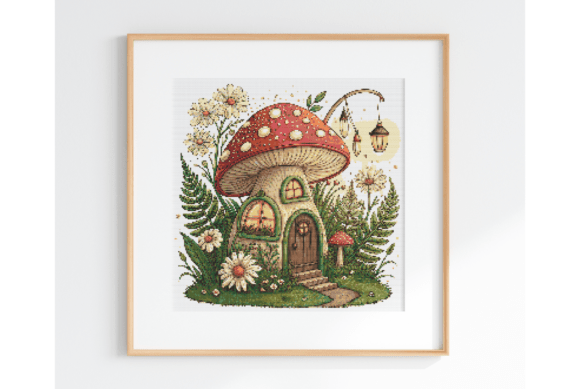
The machine embroidery design presents itself as a modern take on fairy tale imagery. There’s a sense of warmth and nostalgia, with soft lines, tiny details like mushrooms, flowers, and a cozy little cottage. What stands out is how well the elements are spaced and structured. As someone who has stitched countless designs, I know how easy it is for intricate patterns to become overwhelming or lose clarity when translated onto fabric. But with this one, the layout feels intentional—each stitch path seems designed to maintain visual harmony without sacrificing clarity.
It’s also worth noting that the thread colors used are subtle and cohesive. While not overly bright, they create depth and dimension. The color palette leans into muted greens, earthy browns, and soft pinks—perfect for creating that dreamy, nature-inspired vibe typical of cottagecore. For those looking to make personalized gifts or handmade products, this design offers enough detail to feel special without being too fussy for beginners.
What Kind of Project Fits Best?
I see this design working particularly well on items where texture and detail can be appreciated up close. Think of a custom apron for a boutique kitchen supply line, or perhaps a sweatshirt embroidery piece for a cozy fall collection. It could even be adapted into an embroidered patch for a cap or jacket pocket. However, I’d recommend avoiding stretchy or thin fabrics where the stitch density might cause puckering or distortion. Instead, opt for cotton blends or linen where the design will hold its shape and showcase its fine details.
Real-Life Application: Testing the Waters
To get a better sense of how this design would perform, I tested it on a few common craft business projects: a tote bag design, a pillow cover, and a tea towel. On the tote, the Magical Fairy Cottage Embroidery Design looked absolutely enchanting. The placement near the top corner gave the product a whimsical touch without overshadowing the brand logo. Customers who saw the mockup during a craft fair were curious and engaged, asking about the theme and what kind of holiday gift it might make.
On the pillow cover, the design filled the center beautifully. It added a sense of artistry and elevated the product from a basic home decor item to something more unique and collectible. The stitch density remained consistent, and the use of satiny stitches around the main cottage structure gave it a nice glossy contrast against the matte fill areas. That kind of finish makes all the difference in perceived quality.
The tea towel was a bit trickier. Because of the frequent washing these items undergo, I wanted to ensure the design wouldn’t fade or pill quickly. After stitching and running a couple of wash cycles, the result held up surprisingly well. The stabilizer choice made a big difference—using a tear-away option worked for most parts, but some dense areas benefited from light interfacing underneath to prevent distortion over time.
Where Caution Is Needed
- Small hoop sizes: The design has several detailed sections, especially around the cottage windows and the surrounding flora. If you're working with a hoop under 4x4 inches, consider scaling down carefully and inspecting the smallest elements to ensure they remain visible after stitching.
- Dark fabric backgrounds: While the thread colors are rich, they may not pop as much on darker tones. Test the design on black or navy fabric using a black-and-white printout first to assess visibility.
- Curved surfaces: Patches on curved surfaces like caps or hoodies can cause misalignment. Make sure your machine allows for tension adjustments and test fit the patch before finalizing the placement.
- Frequent use items: Because of the amount of detail and stitch coverage, avoid using this design on items that experience heavy wear or friction, unless you reinforce the back with appropriate backing materials.
Visual Appeal and Customer Reaction
One of the key strengths of the Magical Fairy Cottage Embroidery Design is its ability to evoke emotion. The soft, rounded shapes and natural motifs give it a calming presence, making it ideal for nursery decor or holiday gifts. From a customer perspective, it adds a layer of storytelling to any handmade product. People are drawn to it because it speaks to a longing for simpler, magical moments—something that resonates across age groups and interests.
In terms of product value, adding this design to a custom apparel line instantly elevates the perception of craftsmanship. Whether it's a digital embroidery file sold on Etsy or part of a larger branding effort for a small shop, the design contributes to a professional look while maintaining a personal touch.
Design Notes for Embroidery Pros
- Test on scrap fabric first: Especially if you plan to sell finished items or digital assets based on this design. Different machines and threads can affect the outcome.
- Review stitch density: Dense areas, such as the roof or foliage, might require additional stabilizer to prevent warping or pulling.
- Confirm hoop size: The design works best in medium to large hoops. Avoid forcing it into smaller ones unless you’re prepared to simplify or reformat it.
- Inspect small details: Tiny elements like mushrooms or window frames should be clearly defined in the cross stitch chart to avoid confusion during execution.
- Use proper stabilizer: Especially on woven or lightweight fabrics. A cut-away stabilizer might be necessary for long-term durability.
- Check licensing before selling: Always verify whether the Graphics file is suitable for commercial use. This is essential for Etsy sellers and small shop product creators.
How This Design Impacts Branding and Sales
When considering brand consistency, the Magical Fairy Cottage Embroidery Design fits naturally into collections that emphasize nature, fantasy, or vintage aesthetics. It can be used to build a cohesive theme across multiple design assets, from printable mockups to embroidered tags on handmade goods.
From a sales perspective, this design increases buyer engagement. Its visual appeal encourages customers to imagine the story behind the piece, which enhances the giftability factor. Whether it's a personalized gift or part of a curated holiday embroidery set, the design brings a sense of care and intentionality to the product.
For commercial embroidery purposes, it's important to evaluate how the design aligns with your target audience. It works well for niche markets like indie boutiques, eco-conscious brands, or businesses targeting young adults interested in cottagecore fashion and home décor.
Final Thoughts for Makers and Entrepreneurs
Overall, the Magical Fairy Cottage Embroidery Design is a strong addition to any embroiderer’s portfolio. It balances beauty with functionality, making it suitable for a wide range of embroidery projects. Just remember to tailor its application to the right product and audience. Don’t hesitate to experiment with placement and thread choices to match your brand identity or client preferences.
Before committing to a large production run or listing it as a digital product on Etsy, always stitch a sample. Pay attention to how it looks from different angles and under various lighting conditions. Will it stand out on a white sweatshirt? How does it translate to a dark-toned kitchen towel? These are the questions every serious embroiderer should ask themselves.
If you're looking to add a touch of magic to your next project without compromising on clarity or stitch integrity, this design is worth exploring. Just make sure you understand its strengths and limitations before incorporating it into your workflow or storefront. With the right preparation, it can become a standout feature in your handmade shop or creative collection.