Embroidery Effect Mockup Review for Craft Fair Success
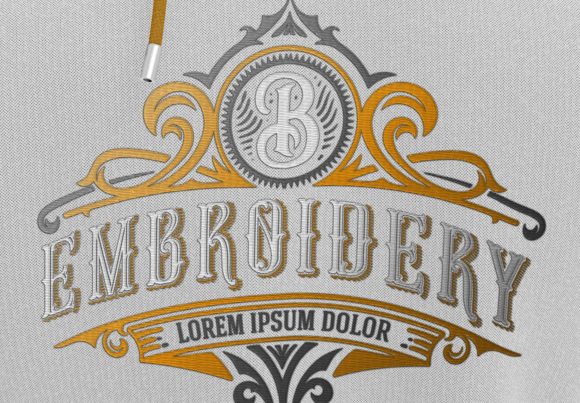
As an experienced embroidery designer, I've seen my fair share of mockups. Some are just okay, but others really pop—especially in a craft fair or handmade market setting where visual appeal can make all the difference. The Embroidery Effect Mockup is one of those designs that immediately caught my eye. Its title and description promise a clean, impactful way to showcase logos on embroidered t-shirts, but I quickly realized its potential extends far beyond that. This review will walk you through how it performed during my test run for a weekend craft fair booth.
First Impressions: What Mood Does It Set?
The Embroidery Effect Mockup has a modern, premium feel. It doesn’t scream bold or cute, but rather offers a subtle sophistication that makes it versatile across product types. Whether you're aiming for a farmhouse vibe, a boutique look, or something more commercial, this design adapts well. Its soft, decorative texture gives a sense of quality, which is crucial when selling handmade items at markets or online as an Etsy seller.
What It Says About Your Brand
This mockup feels like it belongs in a branding identity package. When used correctly, it conveys professionalism and attention to detail. As a graphics-based tool, it helps maintain brand consistency across your range of products—whether you're embroidering tote bags or creating digital embroidery files for resale. That’s exactly what we need when building a small shop product line with a strong visual identity.
How It Stands Out on Craft Fair Booth Products
I tested the Embroidery Effect Mockup on several popular items: tote bags, aprons, tea towels, caps, patches, fabric pouches, and pillow covers. Here's how it performed on each:
- Tote Bag Design: The design looks sharp on cotton canvas. It’s large enough to be the focal point without overwhelming the bag, especially when placed over the chest area. The texture effect adds depth and draws customer attention from across the room.
- Apron Embroidery: On a full-length apron, the mockup works well as a central motif. It blends with both classic and contemporary styles, making it suitable for a wide audience. The softness of the texture complements the home-cooking aesthetic many craft fairs embrace.
- Tea Towel Embroidery: Surprisingly, it holds up nicely on textured kitchen towels. Just be sure to adjust thread colors so they stand out against the natural fibers. The design’s minimalism means it doesn’t clash with the rustic or farmhouse vibe often found in kitchen textiles.
- Embroidered Patch: When scaled down, the Embroidery Effect Mockup loses some of its clarity, particularly in dense stitch areas. But if you’re using it for a small accent patch, it still adds a decorative touch that customers notice and appreciate.
- Cap Embroidery: On curved surfaces, the design maintains its shape and proportion well. I recommend placing it slightly forward on the cap to ensure visibility. Stitch density is important here—too much can distort the curved surface, while too little might look flimsy.
- Fabric Pouch & Pillow Covers: These items benefit from the mockup’s elegant texture. It elevates the overall look of small gifts and home décor, giving them a polished finish that screams “handmade with care.”
Perfect for Handmade Gifts and Market Bags
Handmade gift items like embroidered market bags or small pouches become more desirable when paired with the right design. The Embroidery Effect Mockup adds a layer of visual interest that can justify a higher price point. Customers tend to pick up these items faster than plain ones, especially when the logo or brand name is clearly visible.
Practical Selling and Production Points
When preparing for a craft fair, speed and clarity matter. Here’s what I found about the practical side of using the Embroidery Effect Mockup:
- Easy to Understand at a Glance: The design is simple yet effective. It doesn't require too much explanation, which is great when showcasing finished products or printable mockups for potential buyers.
- Works Well as Focal or Accent: You can scale it up for a bold statement or keep it smaller as a branded accent. This flexibility is a huge plus for small shop product lines that aim to offer variety without complicating production.
- Photographs Beautifully: One of the biggest advantages of this mockup is how it translates into photos. It photographs cleanly, showing off the embroidery effect with a professional finish. This is ideal for Etsy listings or social media promotions.
- Repeatable for Batch Production: Because the design is structured and not overly intricate, it’s easy to reproduce multiple times. Just make sure to confirm hoop size and spacing between pieces before starting a batch.
Test Before You Invest
Before committing to a full production run, I always recommend testing the design on scrap fabric. For the Embroidery Effect Mockup, this step is essential because stitch density and fabric texture can significantly affect the final appearance. Use the correct stabilizer, especially on thick or stretchy materials, and don’t forget to compare fabric colors to see how the design stands out.
Careful-Use Notes for Maximum Impact
While the Embroidery Effect Mockup is a solid choice for most embroidery projects, there are some things to watch out for:
- Dense Stitch Areas: Avoid placing the design near seams or heavy stitching. The added pressure could cause distortion or puckering.
- Tiny Details: If your logo includes small lettering or fine lines, consider simplifying it slightly. These details may get lost in the texture of the design.
- Thick Fabric: Embroidering on thicker materials like denim or canvas requires extra support. Use a high-quality stabilizer to prevent shifting and ensure even stitches.
- Textured Towels: While it works on tea towels, you’ll need to tweak thread colors and stitch settings to avoid fading or uneven coverage.
- Dark Fabric: Light-colored threads work best on dark backgrounds. Always check thread contrast before finalizing your setup.
- Small Sizes: At smaller scales, the texture effect may not render as intended. Be cautious when using it on patches or tiny embroidery spots.
Boosting Visual Appeal and Customer Engagement
In a competitive craft fair environment, visual appeal is everything. The Embroidery Effect Mockup helped my booth samples stand out by adding a tactile and visual dimension that plain white embroidery lacks. It made my tote bag design and apron embroidery feel more premium, which in turn increased buyer engagement.
Customers were drawn to the products with this design. They asked questions about the process and were curious whether I had created the machine embroidery design myself. That kind of interaction is invaluable at a market. Plus, when I showed them the printable mockup version for digital sellers, they appreciated the ability to visualize their own branding on real-life products.
Enhancing Product Value and Brand Consistency
Using the same design assets across different products creates a cohesive brand image. Whether it’s a tea towel or a market bag, the Embroidery Effect Mockup ensures that your branding remains consistent. This helps build trust and recognition among your audience, especially when you're marketing yourself as a boutique maker or commercial embroidery provider.
For digital sellers, the mockup allows for quick creation of professional-looking Etsy listings. It’s not just a graphic—it’s a storytelling element that shows customers how your design will look in real life. And for physical products, the texture adds a unique handmade quality that sets your items apart from mass-produced alternatives.
Designer Tips for Getting the Most from Embroidery Effect Mockup
Here are some key takeaways based on my experience:
- Review Spacing: Make sure the design has enough breathing room around it, especially if you're planning to use it as part of a larger composition.
- Confirm Hoop Size: Though the exact hoop size isn’t listed, I recommend checking your file to ensure compatibility with your machine. If not specified, always double-check before production.
- Inspect Stitch Density: Adjust the density depending on the fabric. Too tight and it risks breaking; too loose and it looks incomplete.
- Use the Right Stabilizer: Especially for delicate or stretchy fabrics, the right backing material can make or break the outcome.
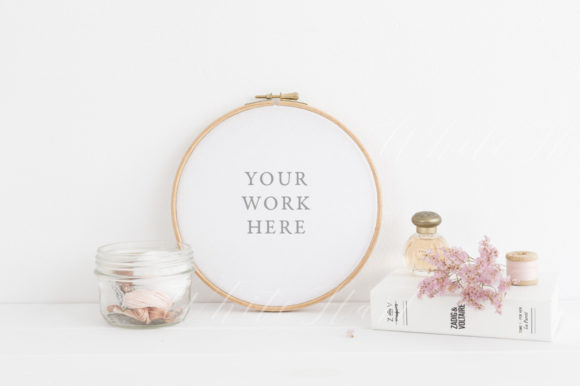
- Create a Real Mockup: Don’t rely solely on the provided image. Create at least one finished sample to evaluate the design under real-world conditions.
- Compare Fabric Colors: The texture color should complement the base fabric. Try a few combinations to find the most appealing one.
- Check Commercial Licensing: Since this is part of a Branding Identity Mockups set, make sure you have the proper rights to use it in commercial products. If licensing terms aren’t clear, contact the creator before selling finished goods.
Final Thoughts for Craft Fair Sellers
The Embroidery Effect Mockup is a reliable and stylish addition to any embroidery designer’s toolkit. It shines on everyday items like tote bags and aprons, and it brings a refined touch to handmade gifts and boutique-style products. For Cricut and embroidery crafters looking to expand their offerings, this design provides a clean and modern way to present logos and branding with flair.
It’s not just a graphics file—it’s a strategic asset for boosting your booth display strength and increasing product value. Whether you're prepping for a local market or launching your first Etsy listing, this mockup helps you create a lasting impression. Just remember to tailor it to your specific products and follow the practical steps above to ensure top-notch results.
If you're ready to elevate your craft fair game and add a touch of elegance to your handmade items, the Embroidery Effect Mockup is worth considering. Test it, tweak it, and let your creativity shine!