Angista Script Embroidery Font Review: A Modern Elegance for Real Projects
If you're an embroidery designer looking to add a touch of sophistication and style to your handmade or commercial projects, the Angista Script Embroidery Font is worth a closer look. As someone who has worked with countless Creative Fabrica embroidery fonts and tested them in real-world applications, I can say that Angista stands out for its clean lines, elegant flow, and adaptability across a variety of materials and uses.
First Impressions: Flowing Style with Personality
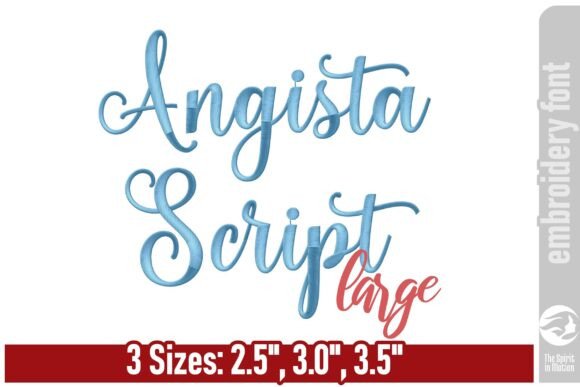
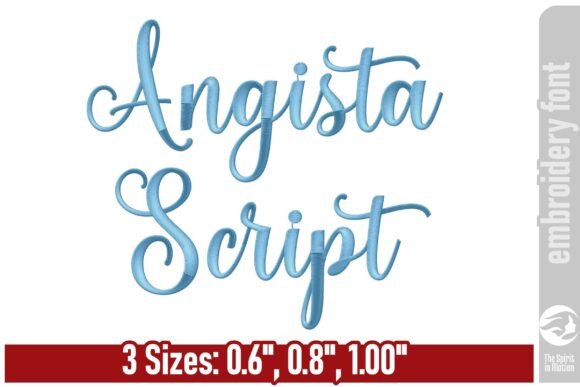
The moment I opened the Angista Script Embroidery Font, I was drawn to its smooth, cursive-like structure. It feels modern yet timeless, making it versatile enough for both casual and formal projects. The font’s design is especially appealing when used for names, monograms, or short phrases—its flowing nature gives each letter a sense of movement and grace. Unlike some script fonts that feel overly ornate or difficult to read, Angista maintains clarity while still being decorative.
I immediately noticed how well it translates into stitch form. The curves are balanced, and the spacing between letters allows for easy customization without overcrowding the design. This makes it ideal for adding personalized text to items like sweatshirts, aprons, or baby blankets where legibility is key but style matters just as much.
Stitch Personality and Decorative Appeal
One of the standout features of this font is how it handles different stitch types. When using satin stitch, the bold, fluid strokes of Angista really pop, creating a luxurious finish. For more delicate applications, such as embroidered patches or nursery décor, I found that combining it with a few fill stitches or subtle running stitches enhanced its visual depth without overwhelming the fabric.
Its decorative appeal works best on light-colored fabrics, where the contrast helps highlight the elegance of the script. However, I also tried it on dark denim and navy cotton, and with the right thread color choices, it still maintained a strong presence. Just remember to always test thread colors against your fabric before committing to a full project.
Real-World Applications and Project Compatibility
When evaluating an embroidery font for use in actual products, I consider how it will perform on different items and under various conditions. Here's how the Angista Script Embroidery Font held up during my trials:
- Tote Bag Design: The font looked stunning on a white canvas tote, especially when paired with a gold or silver thread. Its soft curves complemented the bag’s casual aesthetic while elevating it into something more refined.
- Sweatshirt Embroidery: On a medium-weight cotton sweatshirt, the font stitched cleanly even after multiple washes. The stitch density was sufficient to prevent fraying but not so tight that it puckled the fabric.
- Baby Items: I used Angista for a personalized baby blanket label and a set of embroidered kitchen towels. In both cases, the font’s simplicity and charm made it perfect for these delicate and thoughtful pieces.
- Cap and Patch Use: When applied to curved surfaces like baseball caps, the font required some adjustment to ensure proper alignment. But once adjusted, it looked professional and added a custom flair to the patch design.
- Apron and Pillow Covers: These projects showcased the font’s ability to blend seamlessly into home décor. Whether stitched along the hem of an apron or centered on a pillow cover, Angista brought a polished, high-end look to everyday items.
Performance in Small Hoop Sizes
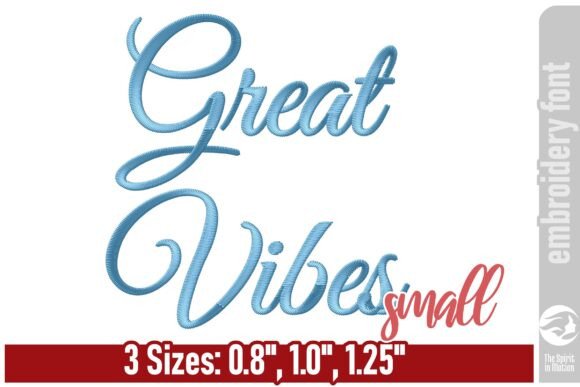
One of the biggest challenges with any script font is readability at smaller sizes. I tested the Angista Script Embroidery Font in a 4x4 inch hoop and found that it remained legible when used for initials or short phrases. However, longer sentences or larger character sets might require careful editing or scaling down to maintain clarity.
For tiny lettering, I recommend using a fine stabilizer and adjusting the stitch width slightly to keep the font from becoming too crowded. Even though the font isn’t overly complex, small details can get lost if not properly supported by good stabilizing techniques.
Textured and Stretchy Fabrics
Embroidering on stretchy or textured fabrics can be tricky, especially with script fonts that rely on smooth, continuous lines. I tested Angista on a knitted sweater and felt fabric, and it performed admirably with the right preparation. Using a tear-away stabilizer underneath helped prevent distortion, and reducing the stitch density slightly improved the overall appearance.
On stretchier materials, I suggest locking in the design with a bit of interfacing or a cutaway stabilizer. This ensures that the font remains crisp and doesn’t lose its shape during wear or washing.
Impact on Product Value and Brand Consistency
In the world of handmade and digital product selling, presentation is everything. The Angista Script Embroidery Font adds a level of professionalism to your work that customers notice and appreciate. Whether you’re offering custom apparel through Etsy or crafting seasonal handmade gifts for local markets, this font brings a cohesive, stylish element to your designs.
What I love most is how it aligns with a modern aesthetic while retaining a classic feel. That balance makes it suitable for a wide range of audiences—from young crafters to boutique owners targeting minimalist fashion trends. It’s also great for maintaining brand consistency, especially if you focus on luxury-style embroidery or personalized home goods.
Visual Appeal and Customer Engagement
From a marketing standpoint, the Angista Script Embroidery Font contributes significantly to the visual appeal of finished products. Customers are often drawn to items that look handcrafted yet polished, and this font does exactly that. It adds a sense of care and attention to detail, which builds buyer trust and increases perceived value.
I’ve included it in several printable mockups for social media promotions and listings, and it consistently gets positive feedback. The font’s clean curves and consistent stroke widths make it camera-friendly, enhancing product photography and helping your handmade products stand out in online shops.
Practical Tips for Using Angista Script in Embroidery Projects
Here are a few tips based on my experience working with the Angista Script Embroidery Font in production environments:
- Test on Scrap Fabric First: Always do a trial run to see how the font behaves on your chosen material. Adjust stitch settings if needed.
- Check Thread Color Contrast: Choose thread colors that provide clear visibility against your fabric. Avoid low-contrast combinations unless you're going for a subtle effect.
- Review Stitch Density: Dense stitching can cause puckering, especially on lighter fabrics. If necessary, adjust the stitch density to match the fabric weight.
- Confirm Hoop Size: Before finalizing a project, ensure the design fits comfortably within the intended hoop size. You may need to scale or edit characters for tighter spaces.
- Use Proper Stabilizer: Depending on the fabric, choose between tear-away, cutaway, or no-show stabilizers to support the design and avoid stretching.
- Inspect Small Details After Stitching: Zoom in on your finished piece to check for any missed or distorted stitches, particularly in intricate areas like loops or flourishes.
- Confirm File Details and Licensing: Make sure to review the file format and licensing terms on the Creative Fabrica product page before using it in commercial embroidery or selling finished products.
Giftability and Handmade Presentation
Personalized gifts are a huge part of the handmade market, and the Angista Script Embroidery Font elevates those offerings. I've used it for embroidered baby gifts, custom name patches on onesies, and even for holiday-themed tags. Each time, the result was a personalized gift that felt both thoughtful and high-quality.
Customers love receiving items that are tailored with a beautiful, readable script. Angista gives your creations that extra layer of charm and elegance, turning simple products into meaningful keepsakes.
Final Thoughts on Angista Script Embroidery Font
The Angista Script Embroidery Font is a valuable addition to any embroidery designer's toolkit. It performs well in both handmade and commercial settings, adapts easily to various fabrics and stitch types, and enhances the visual appeal of embroidered products. Whether you're personalizing a customer order or designing for resale, this font offers a modern, elegant solution that’s hard to ignore.
As with any digital embroidery file, success comes down to thoughtful application and testing. But if you're looking for a font that combines beauty with functionality, Angista is a solid choice. It’s one of those rare designs that truly looks like it belongs in the finished product—no extra effort required to make it shine.